Yuma Is Where RV Air Conditioners Go to Die
No town in America works an RV air conditioner harder than Yuma. Summer highs run past 110°F, the rooftop unit bakes on a metal-and-membrane roof that soaks up solar heat all day, and even in the "cool" season a sunny February afternoon in the Foothills will have compressors cycling by lunch. RV air conditioners are rated for roughly 8–15 years of service — heavy desert duty pushes them toward the short end of that range, and it kills the weak components first.
The good news: most RV AC failures are not dead compressors. They're small, specific parts that a mobile technician can diagnose and replace on your roof in a single visit. Before you spend a thousand-plus dollars on a new unit — or haul your rig anywhere — get a free phone estimate and let's figure out what actually failed.
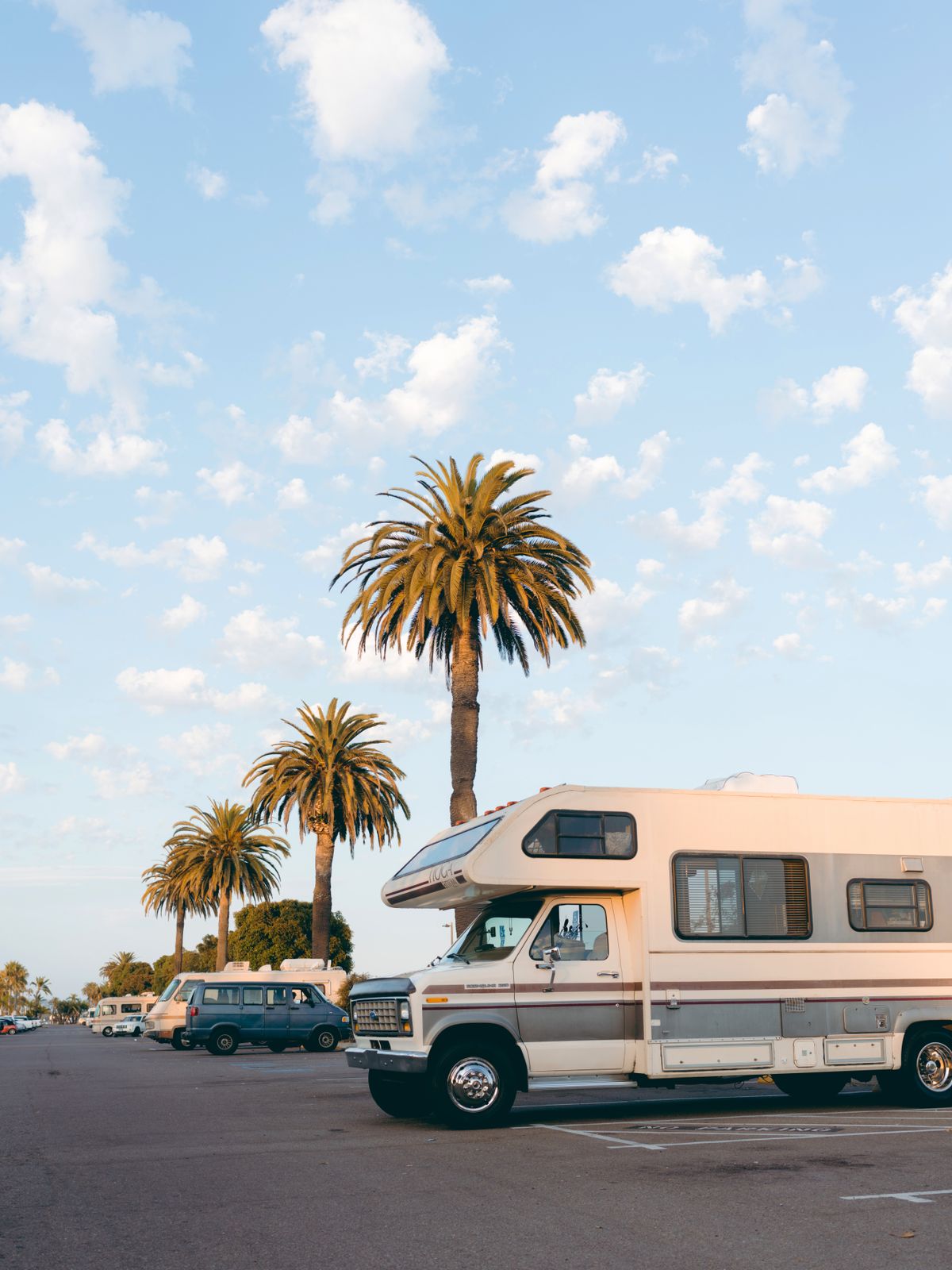
Common RV AC Failures We See in Yuma
- Weak or blown capacitors. The classic desert failure. The AC hums, clicks, or the fan runs but the compressor won't start. Capacitors hate heat, and Yuma has plenty. This is often a fast, inexpensive fix.
- Fan motor failure. Bearings dry out, motors slow down, airflow drops, and the unit starts freezing up or tripping on thermal overload. Motors are replaceable without swapping the whole unit.
- Compressor hard-starting or failure. Sometimes rescued with a hard-start kit; a truly dead compressor usually means unit replacement, since rooftop RV units are sealed systems.
- Thermostats and control boards. Erratic cycling, no response, or one zone dead on a multi-zone coach. Analog and digital systems both serviced.
- Freeze-ups and airflow problems. Filthy filters, crushed ducting, low airflow, or a failing freeze sensor icing the coils on humid days after monsoon moisture drifts in.
- Gasket and mounting leaks. A rooftop unit that rains into the rig when it runs — usually the 14-inch gasket, fixable at your site the same day.
- Full unit replacement. When it's time, the tech can crane-free swap most 13.5K and 15K BTU rooftop units — Dometic, Coleman-Mach, Furrion, GE, Advent — and haul the dead one away.
Why "It Cools, Just Not Enough" Is Still a Service Call
RV rooftop units are designed to pull the inside temperature about 15–20 degrees below outside. When it's 108°F on Fortuna Road, a healthy unit holding 88–92 inside is doing its job — that's physics, not failure. But if your rig can't hold a 15-degree split on a mild day, something is wrong: low airflow, a tired compressor, dirty coils packed with desert dust, or duct leaks dumping cold air into the roof cavity instead of your living room.
A mobile tech can measure the actual temperature split at your registers, check amp draw against the unit's spec, and tell you in plain terms whether you need a repair, a cleaning, or a replacement. That beats guessing — and it definitely beats buying a new unit to fix a $40 problem.
Snowbird tip: if your RV summers in Yuma storage, run the AC on your first day back before you need it. October is when a summer of 115-degree bake shows up as a dead capacitor — and October is a far easier month to get a service appointment than January.
On-Site AC Service, Park to Boondock
The technician works on your roof wherever your rig is parked: resort spaces in Fortuna Foothills, in-town parks off Araby Road and 32nd Street, Wellton parks along I-8, and boondocking sites at Imperial Dam LTVA and Senator Wash. Seasonal runs to Quartzsite cover the winter desert crowd. All the tech needs is safe roof access and a spot to park the service truck.
Because AC failures in hot weather are genuinely miserable — and dangerous for pets left in rigs — no-cooling calls get scheduling priority. We aim for same-week appointments and are honest when the season's backlog says otherwise.
Repair or Replace? An Honest Answer
Here's the rough math we'll walk through on your free phone estimate. A capacitor, hard-start kit, or gasket is a minor repair — do it. A fan motor on a five-year-old unit is worth doing. A dead compressor on a twelve-year-old unit is not: parts and labor climb toward the price of a new unit that comes with a warranty and better efficiency. If replacement is the smart call, we'll say so, and if a repair will honestly buy you years, we'll say that instead. The technician earns nothing by overselling you — and we don't either, because our referral is free.
RV AC Repair FAQs
My AC hums but won't start. What is it?
Nine times out of ten in Yuma, that's a failed start or run capacitor — the most heat-sensitive part in the unit. It's a quick rooftop diagnosis and usually one of the cheapest AC repairs there is. Turn the unit off until it's checked; repeated failed starts can damage the compressor.
How much does mobile RV AC repair cost?
You'll pay the technician a service call fee plus labor and parts. Small repairs like capacitors often land well under the cost of a park cancellation fee; full unit replacements run into four figures with the new unit included. Every job starts with a free phone estimate so you know the likely range before the truck rolls.
Can one tech replace a whole rooftop unit at my site?
Yes — standard 13.5K/15K rooftop units are a routine on-site swap with proper roof access. Tall rigs, steep ladders, or unusual installs occasionally need extra planning, which is exactly the kind of thing we sort out on the phone first.
Should I run my AC all summer if my rig stays in Yuma?
If the rig is occupied or you're protecting interior contents, yes — but have the unit serviced first, keep filters clean, and consider shade. If the rig is in storage, the bigger summer risks are roof sealant and tires, not the AC; see our roof resealing page for why.
Do you work on 12-volt and mini-split RV systems?
Newer rigs with 12-volt ACs, soft-start retrofits, and mini-split conversions are increasingly common in the boondocking crowd. Tell us the setup when you call and we'll confirm the tech is the right fit before booking.
Get Cool Air Back — Without Moving Your Rig
Call now for a free phone estimate, or send the form and we'll call you. Same-week appointments in most cases, priority for no-cooling calls.